Çeşme has recently become the scene of a major investment and planning debate: Castello Fontana. It is necessary to assess not only the project’s economic and tourism promise, but also the planning decisions, the infrastructure burden, environmental capacity and the objections in the EIA process together.
Why is Castello Fontana on Çeşme’s agenda?
According to the project’s own statements, Castello Fontana is planned with an experiential tourism approach bringing together art, culture, agriculture, gastronomy, tourism, health and education. The project also aims to position the Anantara brand in Çeşme.
An investment of this scale and with international ambitions can create new economic and tourism opportunities for Çeşme. However, assessing large-scale investments requires looking not only at the project vision but also at the region’s existing capacity and planning balances.
Possible positive effects
- Diversification of tourism and extension of the season over a larger part of the year
- Stronger international brand and destination visibility
- New room for employment and the local economy
- New links with gastronomy, culture and local production
Points requiring attention
- Clarity of the building scale and the nature of use
- Additional load on water, wastewater, transport and other infrastructure systems
- Natural resources and environmental carrying capacity
- Assessment of the EIA objections on the basis of technical documents
How should the objections in the EIA process be read?
Environmental and planning-based objections to the project have become public. Topics under discussion include, in particular, the nature of use, the number of independent units, the building scale and water and infrastructure capacity.
For a sound assessment, the technical reports in the EIA file, plan decisions, use functions, infrastructure projects and the final assessments of the relevant public authorities should be examined together.
Why are water and infrastructure critical?
In a region like Çeşme with high seasonal population pressure, the total impact of large-scale projects on water supply, wastewater, transport, energy and other infrastructure systems is significant. What should be assessed is not only the architectural quality within the project’s own parcel but also its relationship with the existing carrying capacity of the surrounding region.
Is big investment always good investment?
A region receiving investment should not, on its own, be classified as positive or negative. The real question is whether the investment can generate long-term value in harmony with the natural and technical capacity of the region.
In the case of Castello Fontana, goals in international tourism, gastronomy, health, culture and agriculture can create significant opportunities. On the other hand, if building density, infrastructure demand and environmental impacts are not adequately managed, significant costs may arise alongside the economic benefit.
The surveying engineering and valuation perspective
For a Licensed Valuation Expert (SPK), it is not right to reduce the impact of a large-scale project to the question “will it raise prices?”. Such investments can affect a region’s image, tourism profile, transport demand, infrastructure needs, patterns of use and future planning decisions.
From a surveying engineering perspective, too, the issue is not only where buildings are placed. Land use, topography, transport links, infrastructure networks, protected areas, plan decisions and the settlement’s relationship with its surroundings must be addressed as a whole.
My assessment
Seeing Castello Fontana only as “a big investment to be made in Çeşme” would be incomplete. Likewise, reaching a final judgement on the project based on the EIA objections requires seeing the technical documents and the full official process.
If the project can truly bring Çeşme an internationally oriented model that extends tourism over a larger part of the year, supports local production and creates high-quality economic value, it may represent an important opportunity.
For this to be sustainable, however, the building scale, water and infrastructure needs, environmental impacts and planning decisions must be set out transparently.
Sources and verification note
- Castello Fontana official project website — The project’s own vision and goals.
- Ministry of Environment, Urbanisation and Climate Change of Türkiye — EIA practice — General workings of the EIA process.
- Cumhuriyet — Castello Fontana EIA meeting and objections — A news summary of the objections that became public.
Note: Unless otherwise verified by official documents, the objections and claims in news sources are treated in this article not as “established project facts” but as opinions and claims that have become public.
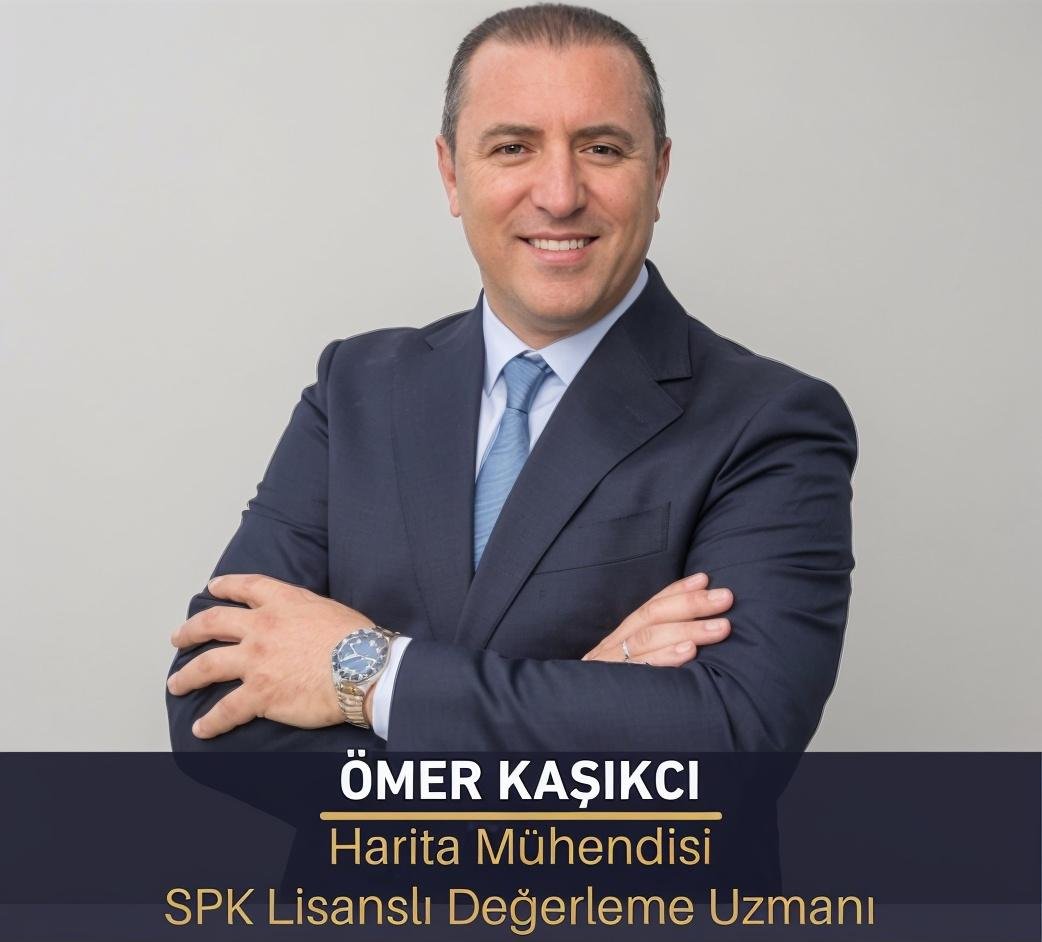
Ömer Kaşıkcı
Surveying Engineer | Licensed Valuation Expert (SPK)
Sound Investment Built on Technical Knowledge